Categories
Kitchen

How to Clean a Glass Stovetop

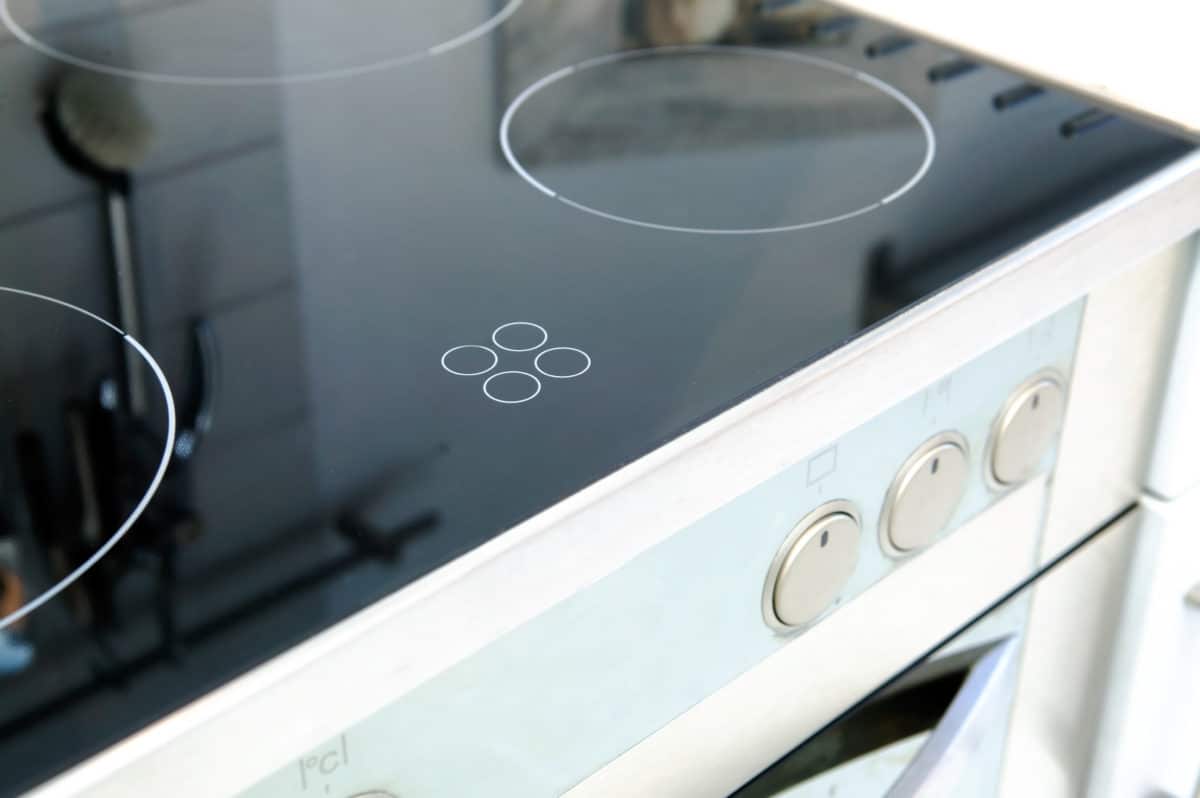
A sparkling clean glass stovetop

For most of us, cleaning the house is not a favorite pastime. However, when you are the proud owner of a glass stovetop, it becomes more important. Learning how to clean a glass stovetop should not make your knees knock. 

Why bother with glass? They are so much more pretty! There aren’t the metal divots you’re constantly covering in aluminum foil or scrubbing because a pot boiled over.

It is like having a new Maserati, or so you’ve heard. It’s gorgeous when it’s fresh. Once you’ve used it, driven it around a while, the shine is gone.

Our team at TLC Cleaning can handle all of your tough and delicate cleaning needs. 

If you haven’t mastered this skill or any other housekeeping one, find us at one of our convenient locations close to you: Fargo & Grand Forks, North Dakota, and Detroit Lakes, Minnesota.

You want to keep your glass stovetop looking fabulous. You want it to look like you belong in a home magazine. 

Between cleanings by the professionals, you can keep your glass looking shiny and new with a few tricks you’re going to learn here. 

There are dozens of articles on how to clean glass stovetops. But, if you want real trade secrets, TLC Cleaning will give you the best tips for how to clean a glass stovetop if you simply keep reading!

The first thing that comes to mind when you hear the word “clean” is work. You know, the old elbow grease kind of work.

While any cleaning requires some effort, you can get and keep your glass stovetop spotless without needing a hot bath to relax your muscles afterward. 

Learn How to Clean a Glass Stovetop

A spotlessly clean glass stovetop

First off, do not clean a stovetop of any kind while it’s hot. Many stories from ER’s across the world have taught us it should be completely cool before touching it.

After it has cooled a little, wipe up messes as soon as you can. The longer they stay on, the harder they are to clean off. 

If you only have some condensation spots, then hot water and a towel will do the trick. For heavier duty cleaning, let’s dig further into the world of aprons, sponges, and mops. 

If natural is your preferred method, start with vinegar and baking soda. You won’t end up with a volcano, but you will end up with a cleaner stovetop!

For a spray, mix 50% white vinegar with 50% water. Spray it on the surface and wipe it off with a soft cloth or paper towel. 

If you have a stubborn spot, try dropping some undiluted vinegar directly on it and letting it sit a couple of minutes. Wipe it up, then repeat the first step. 

If you don’t want to leave a mess, but you also don’t have a lot of time, try using baking soda. Sprinkle some of the all-around good stuff on the stovetop.

Add a little warm water to the soda to make a paste. Cover it with a warm damp cloth and let it sit for a half-hour or so.

When you come back to the stove, use your cloth to wipe off your paste. If you have any stubborn spots, try adding some drops of vinegar to break them up!

While you have the baking soda sitting, you can be taking on other chores in the house. Here’s a post about our least favorite one, dusting!

Back to the glass; be wary of products with scrubbies. You know, little plastic beads or crushed nuts, or some other additive-type that’s supposed to help remove sediment. 

Glass is beautiful! Don’t scratch it!

There are a myriad of cleaners in any store. You can choose from multipurpose, glass only, or rain from heaven. That’s only by special order. 

There is always the Greek way of cleaning if you follow the Portokalos family from my Big Fat Greek Wedding. Spray Windex on everything!

Seriously, though, you can spray the cooktop surface with a cleaner like Windex or any other brand. Wipe with a paper towel or microfiber cleaning cloth, and you’ll see yourself in a minute. 

Big Problems

Dirty and Damaged Induction Stove in Kitchen

There are tricky spots on a glass stovetop. When sauces or milk boil over, there may be a hard stain that occurs.

There does not appear to be any cleaner that takes it all off. For this, you need a prison shank or the safer version, a razor blade.

Get a holder for the blade. You will be less likely to need sutures or amputation after your cleaning. 

Scrape at a 45-degree angle and scrape lightly. If it’s stubborn, then go over it several times.

You’ll probably see it flake off in small pieces. Expect to see this. Then, use your vinegar spray or one of your cleaners to wash the remainder away. 

The general complaint about cleaning glass anything is streaking! You don’t have to let that worry you. 

For a streak-free shine, make sure you have the right cleaner and tools. 

If you see streaks on your glass stovetop, you may have more grime than you thought. It may be that more than one spray and wipe is needed. 

Try a little vinegar to break through first; or, do a second round with whichever cleaner you’re using and buff with the soft cloth. 

Other Glass

A window above a kitchen sink

Besides this stovetop that occupies all of your thoughts, what other glass items do you clean in your kitchen? Do you have windows, tabletops, cabinet doors, or more? Your sister (or you, if you can’t talk her into it) can use most, if not all, of the tricks listed here on all of these! 

The TLC Cleaning Team

The TLC Cleaning team of trainers

The TLC Cleaning Team knows what it’s like to want to do it all. Started by a young single mother, they strive to do their very best. They want you to understand how to take care of your home the way they will. They also know that you have so much more to do!

Get back to doing the things you love and let TLC do the cleaning! Call for a free quote today!
Categories
Kitchen

Like New: How to Clean a Stainless Steel Sink

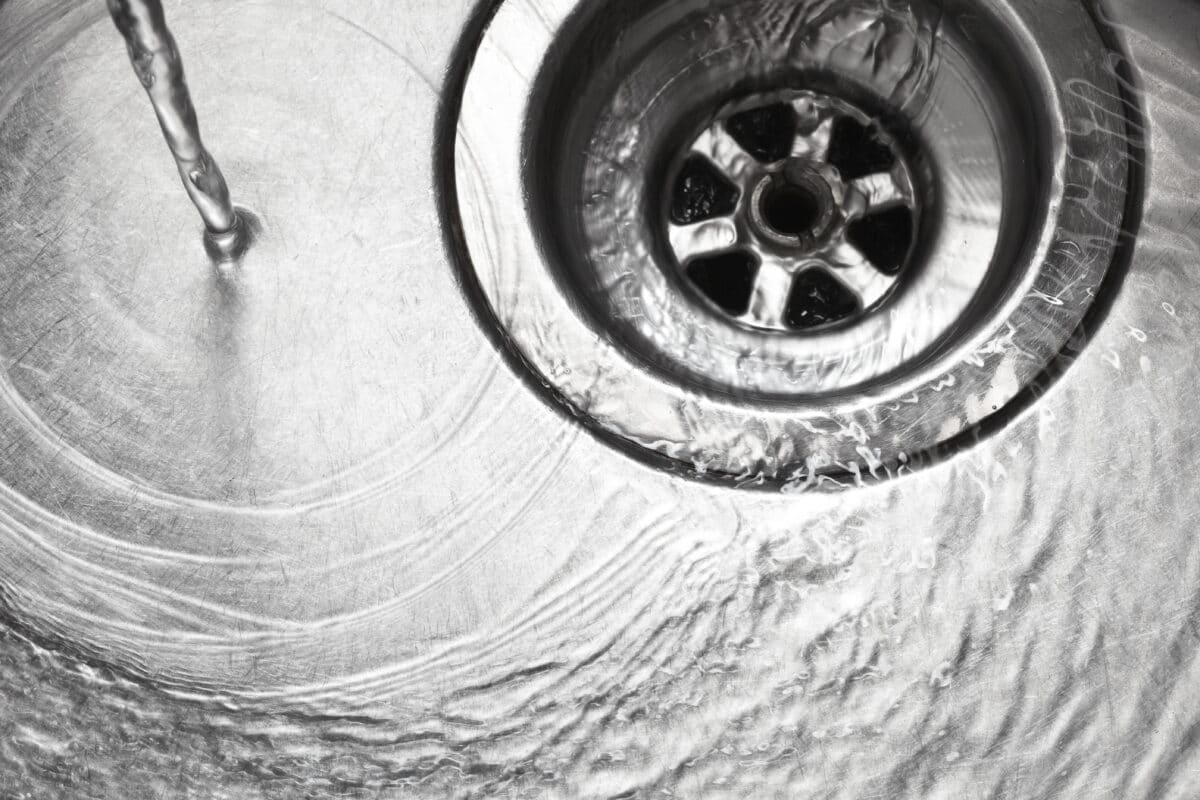
A clean stainless steel sink

One of those satisfying adulting things is having a gleaming and clean stainless steel sink. It looks high-end and makes the kitchen look that much better. But do you know how to clean a stainless steel sink?

If you don’t, that shine can turn cloudy from daily fingerprints and grime. That can definitely take the wind out of your sails. 

TLC Cleaning can help with that. We offer deep cleans a recurring residential cleaning to help keep your home tidy.  

If you don’t want to clean your sink, give us a call. We operate out of Fargo, North Dakota; call us today or for an appointment. Or, visit us at our site for a free estimate

If you just can’t wait to get your kitchen sparkling clean, here is how to clean a stainless steel sink on your own.

Below is a step-by-step guide to a gorgeous, enviable stainless steel sink.

But first, a fun fact about stainless steel! 

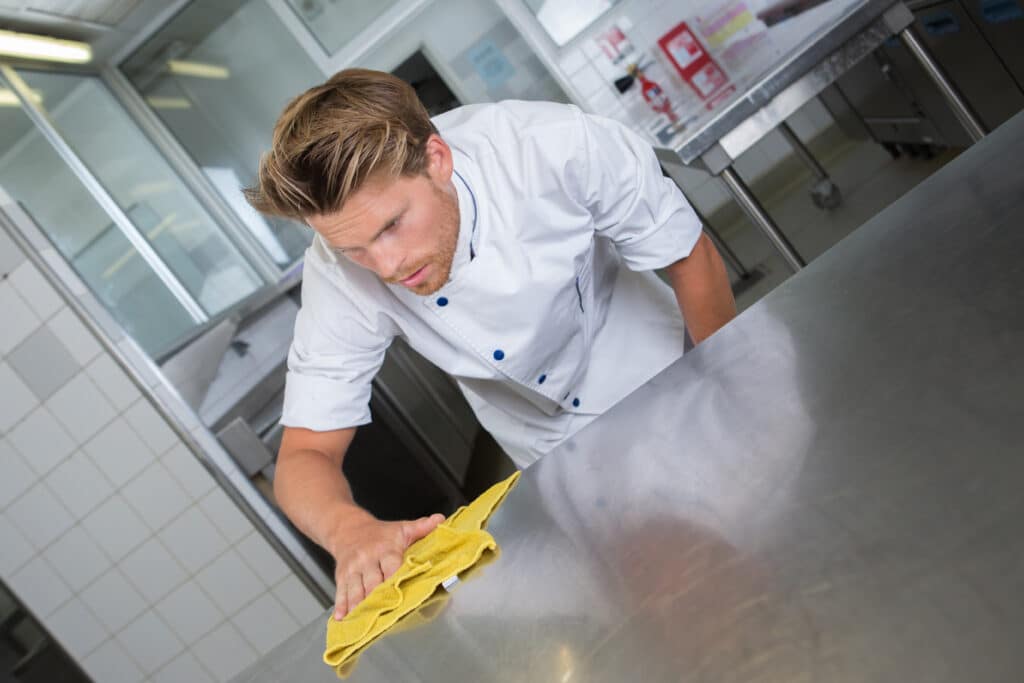
male chef cleaning stainless steel kitchen work surface

Something that may surprise you is that stainless steel has striations like wood. For a deeper clean, that will give a better shine, scrub with the grain with a small rag. Preferably, microfiber, if you have it. Who knew!?

Knowing this small detail or hack will help you figure out how to clean a stainless steel sink.

Here are some methods on how to clean a stainless steel sink that will leave your sink clean and shiny. 

How to Clean a Stainless Steel Sink With Great Results

Before getting into the nitty-gritty of how to clean a stainless steel sink, there is one thing to remember:

After doing the dishes, don’t leave a damp sink. Always dry off your sink after use or after cleaning. Drying off your sink will help prevent water stains and spots from building up and making your sink look dull and sad.

Dish Soap

how to clean a stainless steel sink with dish soap

Dish soap is a great go-to that will give you a beautiful and clean result in any stainless steel kitchen sink.

  • Squirt a small amount of dish soap onto a little microfiber rag. 
  • Dampen your cloth with water.
  • Scrub the sink with the grain so that you get the best clean. 
  • For harder to clean or set in spots, a little elbow grease will go a long way. 
  • Rinse your sink thoroughly. 
  • Wipe with a dry microfiber rag to get a high shine.

White Vinegar 

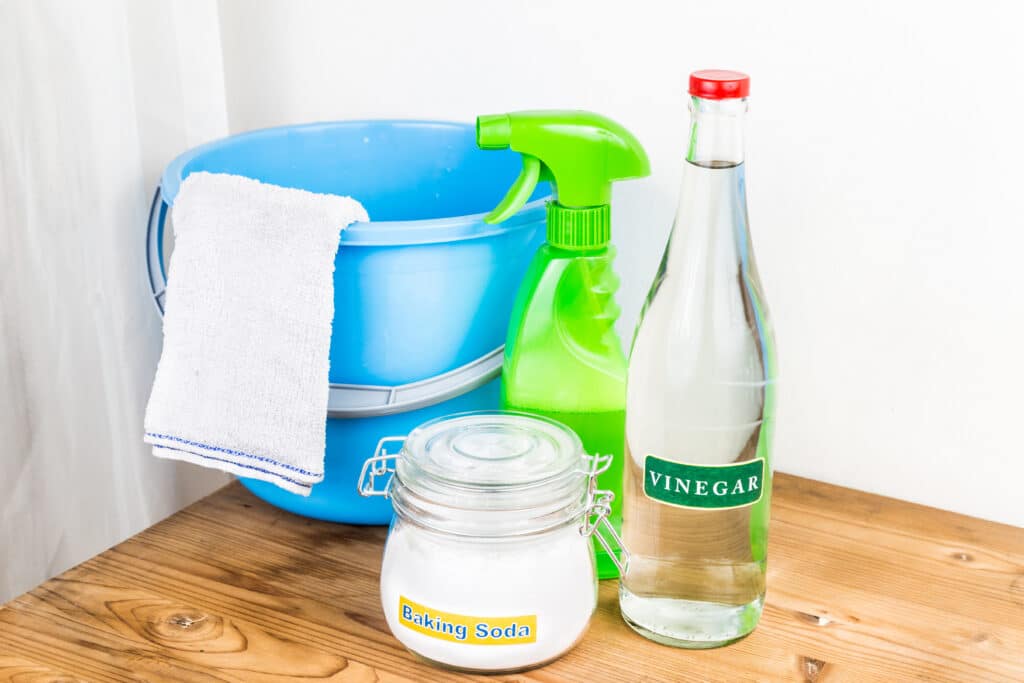
cleaning supplies for how to clean a stainless steel sink

If you are a “crunchy mom”, you don’t have to be told how great white vinegar is. Whether you pour onto what you’re cleaning or use a spray bottle, this stuff is useful and sanitizes

Spray vinegar directly onto your sink or spray onto your microfiber rag. 

If you spray directly onto the sink, allow white vinegar to sit 20 seconds before you scrub.

  • Scrub your sink with the grain. 
  • If your sink has a lot of grime to clean, you may need to repeat this process.

Baking Soda

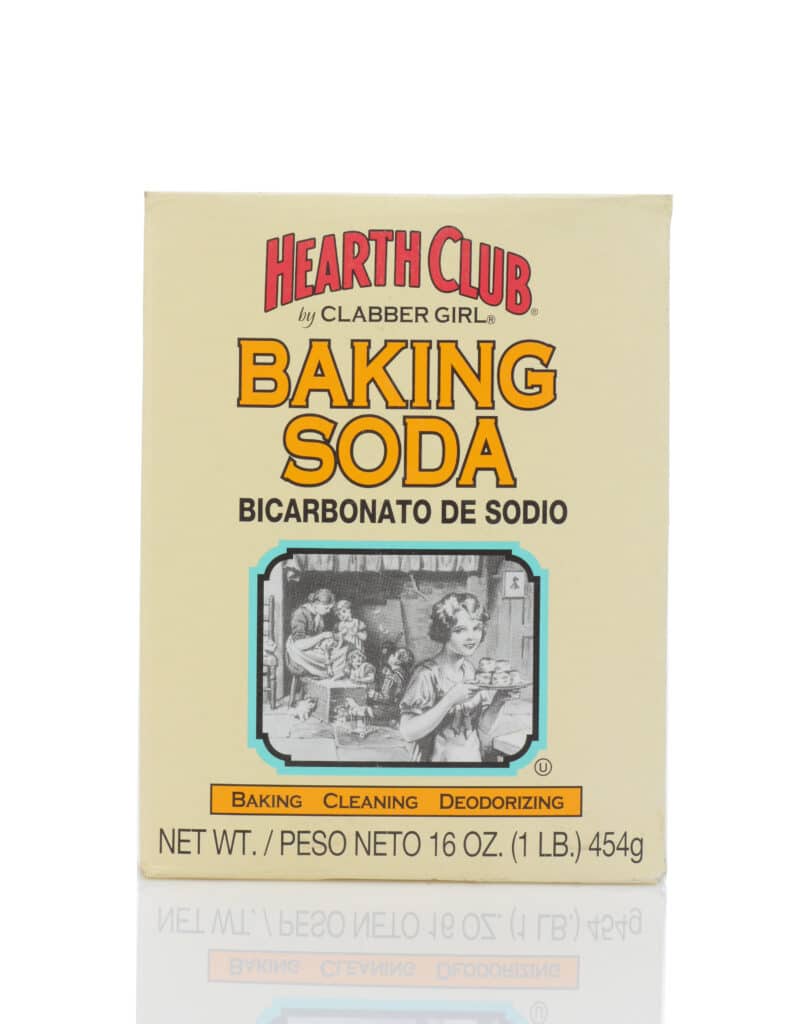
baking soda

Baking soda is a staple in most households. 

Baking soda works perfectly for cleaning stainless steel sinks because the texture is abrasive enough to really get into those grains of the metal. But, it’s still gentle enough that it won’t damage or scratch your kitchen sink.

You can coat the sink in a generous layer of baking soda and use your microfiber towel to rub it in. For double-duty cleaning, do a science project in your sink by mixing in a little bit of the white vinegar. 

After that makeshift cleaning volcano, you’ll no longer be wondering how to clean a stainless steel sink. 

For the best results on how to clean a stainless steel sink, it’s best to give a quick clean with warm water after each time you do the dishes. That way, leftover food particles, grease, and grime won’t build up and dull your stainless steel sparkle.

Add Extra Shine With This

sparkling water

If you really want to take your sink’s sparkle level up a notch, give it a bath in some club soda. In this instance, it might be best to use the unflavored La Croix (save your favorite flavors for drinking.)

Add a little club soda to your microfiber towel and massage it into your stainless steel sink.

Why is Professional Cleaning Important?

a before and after cleaning stainless steel sink: how to clean a stainless steel sink

A professional clean not only is a way to guarantee a deep clean, but it also gives you a break. At TLC Cleaning, we know you need a break sometimes.

TLC Cleaning can give you that break! 

TLC Cleaning is passionate about cleaning and serving the community. We have served Fargo, North Dakota for years, and are happy to give a neighbor a break anytime. Time spent cleaning could easily be time outside, with family and friends, or even doing some self-care

Who doesn’t need some self-care and a clean house? That Netflix queue isn’t going to watch itself.

Learn How to Clean a Stainless Steek Sink, But Leave it to the Pros 

a smiling cleaning crew

A clean home is a happy home.

Nothing feels better than a job well done. The staff at TLC Cleaning work as a family for that OMG moment a customer gets seeing their freshly cleaned home. We know that our client is relieved and has one less thing to do.

Peace of mind is priceless.

To get peace of mind that your house is sanitary and at its very cleanest is a gift. It drives what TLC Cleaning does daily. 

TLC Employees are proud of the work that they do. They are trained in both commercial and residential cleaning, and even moving out cleaning. You know you want that deposit back, right.

Visit the TLC Cleaning website today, and get a free quote on recurring or one-time cleaning. The stainless steel sink and the rest of your home will look just like new after a visit from TLC Cleaning!

Categories
Kitchen

5 Tips to Beat Cabinet Grease Film in the Kitchen


After spending time cleaning your kitchen from top to bottom, the last thing you want to find is grease stains.

Your love of fried chicken and all things greasy is taking a toll. It is almost like you blink, and a grease stain magically appears on your beautiful cabinetry. If you clean your cabinets often enough, it can be easy to remove. But sometimes, the grease doesn’t want to leave, causing you to scrub like a maniac.

Now you are determined to figure out how to clean grease off kitchen cabinets.

But take heart! There is hope for your greasy kitchen. The staff at TLC Cleaning are grease-fighting ninjas and are here for you whenever you need them.

We have even compiled some tried and true tips for you on how to clean grease off kitchen cabinets. Get ready to be amazed!

How to Clean Grease Off Kitchen Cabinets

Distilled white vinegar being poured into a small glass bowl. Vinegar is great for how to clean grease off kitchen cabinets

1. Use Distilled White Vinegar and Dish Soap

These two together are a dynamic duo. Dish soap is an obvious choice when looking for a cleaning solution, but if you mix it with distilled white vinegar, you get a fabulous and long-lasting clean.

Sure, white vinegar has a potent odor, but what is great about using it is that the vinegar helps to absorb any unpleasant odors that might be lurking around your kitchen or in the appliances (We’re talking to you, Refrigerator). Eventually, the smell of vinegar will leave, and it will take other unwanted odors with it.

The mix of distilled white vinegar and soap works well on cutting through grease on kitchen cabinets. And the best part of this solution is that it is so inexpensive.

Also Read: The Love-Hate Relationship with Stainless Steel Appliances

A stack of colorful microfiber cloths for cleaning the grease off kitchen cabinets

2. Microfiber Cloths Are a Must

If you wonder how to clean grease off of kitchen cabinets or any other grease-prone areas of your kitchen, make sure you use microfiber cloths. These things are cleaning powerhouses. You can use soft sponges, but microfiber cloths will ensure that you will not chip paint or damage your cabinet surfaces.

Cleaning your kitchen with more abrasive materials carries the risk of damaging cabinets and countertops. Microfiber cloths are gentle and very efficient for cleaning sticky grease and other messes.

These soft cloths work great on various surfaces, and they are more environmentally friendly. You can wash and reuse them rather than throw them away after only one use.

Someone scooping baking soda out of a glass jar with a wooden spoon. Baking soda is a great way to clean grease off of kitchen cabinets.

3. Use the Power of Baking Soda

Try mixing baking soda with water if you are dealing with some tough grease that just doesn’t quit, and you cannot find a solution.

Baking soda is a bit more coarse and gritty of an ingredient and can thus help with thick, stuck-on grease.

You can create a mixture of one part water and one part baking soda and stir it until it turns into a paste. Apply it to the areas you want to remove the grease and use a soft sponge or microfiber cloth to make gentle circular motions.

After covering the desired area of your wood cabinets in the baking soda mixture, you can clean it all off with a separate damp towel or microfiber cloth.

Someone in an orange cleaning glove holding an orange cut in half.

4. Citrus Oils: Your New Best Friend

Whether you buy wood cleaners that already contain citrus oils in them or you make your own all-natural product, there is no denying that citrus oils are a powerful ally in the fight against grease. Lemons and oranges are your friends in the cleaning business.

Spray a cleaning product with citrus oil on your cabinets, backsplash, or appliances, and wait a couple of minutes to get the most effectiveness.

Products with citrus oils in them work well on grease because of the acidic properties they have. Most soaps are alkaline and therefore not acidic. When soaps combine with the acidity of lemon or orange, it creates chemical reactions that cut through tough grime.

Citrus oils in your cleaning products are also fantastic because the smells are heavenly. It can make your whole kitchen not only look great but will also smell fresh.

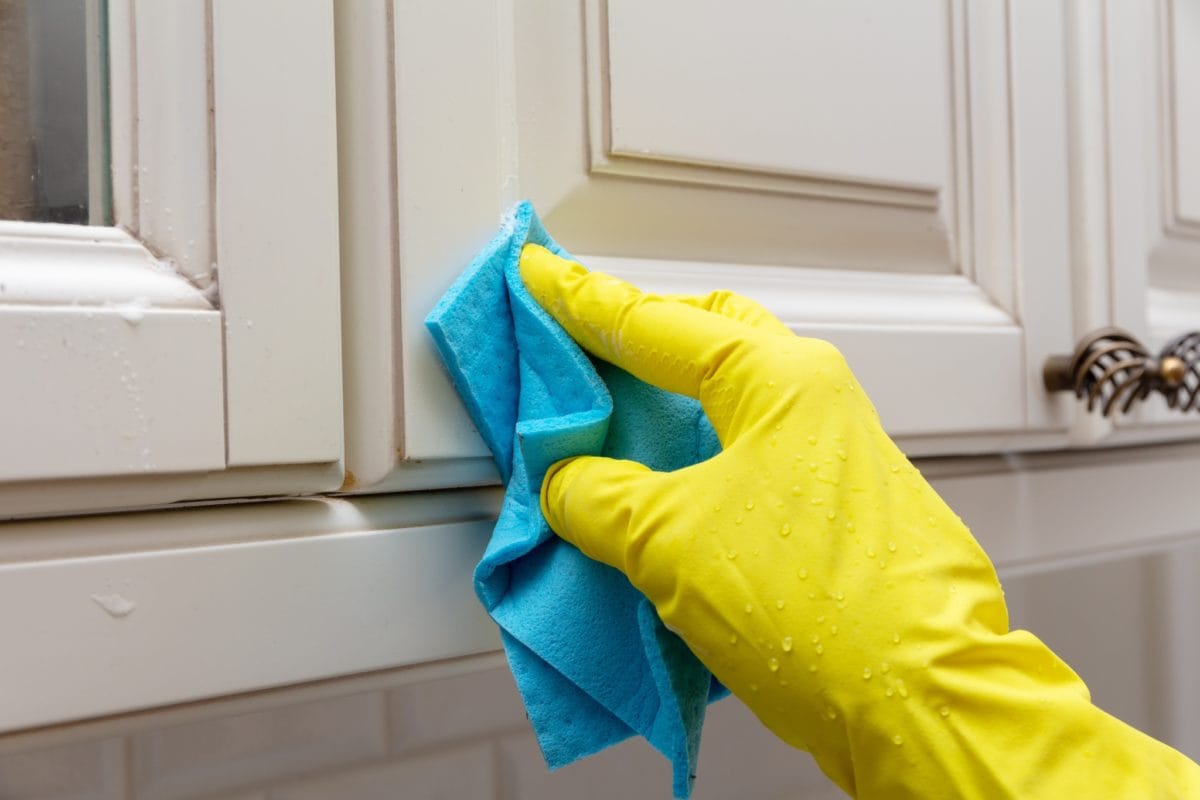
Someone cleaning grease off of kitchen cabinets whiel wearing a pink rubber glove.

5. Good Ol’ Soap and Water

If you do routine cleaning of your kitchen and do not have too much grease stuck on the cabinets or appliances, a simple cleaning with just soap and warm water should suffice.

Mix some soap and warm water and soak your sponge or cloth in the mixture. Wring out most of the water and then start scrubbing gently as you watch the grease melt away.

When you finish, dry the cabinets and appliances with a dry microfiber cloth to pick up any excess moisture.

Keep Moisture at Bay

Trying to figure out how to clean sticky grease off kitchen cabinets can be challenging because they often have a lot of natural grooves on the surface. So, to keep your cabinets grease-free and in tip-top shape, you always have to make sure that you dry off your cabinets when you are finished treating grease stains.

While you use water, oils, or soap to clean your kitchen, you have to be sure you run a clean, dry cloth over the area you were cleaning. Having moisture left on cabinets, especially custom wooden cabinets, can cause them to discolor or warp.

At TLC Cleaning, We Know How to Clean Grease Off Kitchen Cabinets

Someone in a clean kitchen giving a thumbs up while wearing a pink rubber cleaning glove.

We know grease. We know how pesky and embarrassing it can be and how hard it is to keep up with cleaning when cooking happens every day in your home. 

Rumor has it kids expect food every day. Several times each day, in fact. All that cooking is bound to coat your cabinets with grease over time.

While grease stains are an occupational hazard of cooking, that does not mean you need to resign yourself to the idea of a grimy kitchen.

Follow our expert tips, and you’ll rediscover your gorgeous cupboards. And if you don’t have the time or energy to do the cleaning, let us take care of it for you.

Contact us on our website and receive a free online estimate for your next cleaning service.

We provide everything from move-out cleaning to carpet cleaning and can come as often as you need to keep your home clean, fresh, and feeling glorious.

Categories
Kitchen

The Love Hate Relationship with Stainless Steel Appliances

Kitchen

Stainless steel appliances have had their ups and downs. People seem to love stainless steel, but also maybe they hate that they love it.

When stainless steel is clean, it is beautiful. However, between fingerprints, smudges, dust, and everything else it comes in contact with, it doesn’t take long for your beautiful appliances to look dirty. You love your kids, but sometimes you wish their little fingers weren’t all over everything all the time.

At TLC Cleaning in Fargo, we always make sure your stainless steel appliances are wiped down and shining every time we visit for a cleaning. If you want information on a regular cleaning appointment, or want a deep clean, give us a call today.

How to Clean Stainless Steel Appliances

Clean Stainless Steel

When it comes to stainless steel, the biggest hassle is keeping them looking clean and fresh. If you have kids or dogs, that task is infinitely more difficult. Between fingerprints, paw prints, dust, and grime, there always seems to be something on your fridge, dishwasher, or oven. Plus, the daily use adds a lot of build-up. Attempting to clean stove drip pans is panic-inducing for some people.

Before you start scrubbing, look closely at your stainless steel. They are not always easy to spot, but the steel has striations. Just like wood, stainless steel has a grain. You will want to be aware of the direction of the grain for the most effective cleaning.

Polishing your appliances against the grain will not ruin them, but it will allow more residue to get into the crevices. You might also notice the stainless steel looks dull and dingy when you clean against the grain. Go with the flow to get a higher shine.

You will also want to invest in some sturdy and high-quality microfiber cloths. These things are optimal for most cleaning. They will not leave dust or particles behind, and your appliances, counters, and everything in between will look fantastic at the end.

Once you have your rags and know the direction of the grain, you can start cleaning. Here are some helpful hints for how to clean stainless steel appliances.

Dish Soap

One of the simplest ways to clean stainless steel requires microfiber rags, dish soap, and water. Dish soap is excellent for cleaning steel because it removes grime and makes polishing easier. Place a little soap on your cloth and add enough water to dampen the rag. Wipe with the grain. For stubborn spots, you might have to clean a few times. Rub over everything with a dry cloth to remove any streaks.

White Vinegar

White vinegar is the crunchy mom’s best friend. To use vinegar, you can either pour the liquid directly onto the cloth or spray from a spray bottle onto the stainless steel. If you spray, let it sit for about 20 seconds. Wipe with the grain. You might have to reapply more times to obliterate the grime.

Club Soda

Put some club soda into a spray bottle and spray onto any stainless steel surfaces you have. Wipe with a microfiber cloth with the grain. Club soda will remove fingerprints and smudges. It will make the surface shiny, as well. If you have any soda left when you finish cleaning, add gin so you can celebrate a job well done!

WD-40

A unique way to clean stainless steel is with WD-40. (Note, use extreme caution with WD-40 in an area where you prep food because it is petroleum-based.) Spray WD-40 onto your stainless steel, or a microfiber cloth, and clean with the grain. The result is a fresh and gleaming surface. WD-40 also adds a layer of protection from future fingerprints. Now, while it’s out, take care of any squeaky doors that have been on your list for the last seven months.

Lemon Oil Furniture Polish

If you have any lemon oil furniture polish lying around your house, put some on a clean cloth and scrub your appliances. In this case, do not apply the cleaning solution directly to the surface as it might create more work.

Glass Cleaner

Most people have a bottle of Windex, or another brand of glass cleaner, under their sink. Glass cleaners work amazingly well to remove pesky fingerprints. Spray the cleaner onto a microfiber cloth and clean with circular motions. Windex really does fix everything, just as My Big Fat Greek Wedding promised us.

Commercial Stainless Steel Cleaners

These work great, but they are rather expensive. Personally, we like to save our money for the gin. See above.

Olive Oil, Mineral Oil, or Baby Oil

If your appliances somehow manage to stay fingerprint free long enough for you to finish cleaning, you can polish them with any number of things. Olive oil, mineral oil, and baby oil all work fantastic to make your appliances sparkle.

You only need a couple of drops on a clean microfiber cloth. Wipe with the grain of the steel and your appliances will look spectacular. This step is best completed minutes before the in-laws arrive.

Clean Stove Drip Pans

Clean Stove Drip Pans

If your drip pans are black, resembling scorched earth, or if merely using the stovetop sets off the smoke alarm, it is probably time to clean the drip pans. This ungodly chore is a source of dread for many. But it doesn’t have to be.

If you don’t want to scrub the pans, give them a good baking soda soak. Leave one drip pan in place so you can boil a large pot of water with about ⅓ cup of baking soda. Place the other drip pans in the pot and let them soak for 30 minutes. Carefully pour the contents into the sink and rinse with cold water. A simple scrub should remove any remaining buildup. Repeat with the remaining burner. A hot soak can cure just about anything.

If you don’t feel like scrubbing and boiling, there is an even simpler solution to give you clean stove drip pans. Find your car keys, grab your wallet, and drive to the closest hardware store. For about $15 you can have brand new ones. Or, even better, log into Amazon and they will be at your doorstep in two days.

Call TLC Cleaning

If you want an extra hand cleaning your house, and keeping it that way, give us a call at TLC Cleaning. Whatever you need help with and however often, we have you covered.

GET YOUR QUOTE

"*" indicates required fields

This field is for validation purposes and should be left unchanged.